

 Who We Are
 Our Team
 Case Studies










Australian local SEO checklist: 12 free steps to stand out online

Don’t worry if your marketing budget is smaller than your competitors.
You still deserve to grab the attention of locals who’d love your offering!
Our Australian local SEO checklist has 12 free and easy actions that help your website stand out in popular searches related to your market.
Psst … you don’t need to be an expert to improve your online visibility 🤫.
Skip to our local SEO checklist for the juicy parts. But first, we explain why you should try this cost-effective strategy.

What is local SEO?
Local SEO is an ongoing, low-cost strategy that lifts your website visibility for search queries related to your offering in specific locations. As with every type of search engine optimisation, local SEO attracts unpaid traffic (visits) to websites. You don’t pay fees when people enter your website from organic listings on pages like Google.
🔸🔸🔸🔸🔸🔸🔸🔸🔸🔸🔸🔸🔸🔸🔸🔸🔸🔸🔸🔸🔸🔸🔸🔸🔸🔸🔸🔸
THE PERFECT SCENARIO
Local types <relevant keywords> + <targeted location> into Google
—–> spots your website on page 1 and visits it
🔸🔸🔸🔸🔸🔸🔸🔸🔸🔸🔸🔸🔸🔸🔸🔸🔸🔸🔸🔸🔸🔸🔸🔸🔸🔸🔸🔸
What’s the difference between traditional SEO and local SEO?
-
- Traditional SEO has no geographical boundaries. Businesses use it to reach a broad audience looking for general information like “health benefits of braces” in the organic search listing.
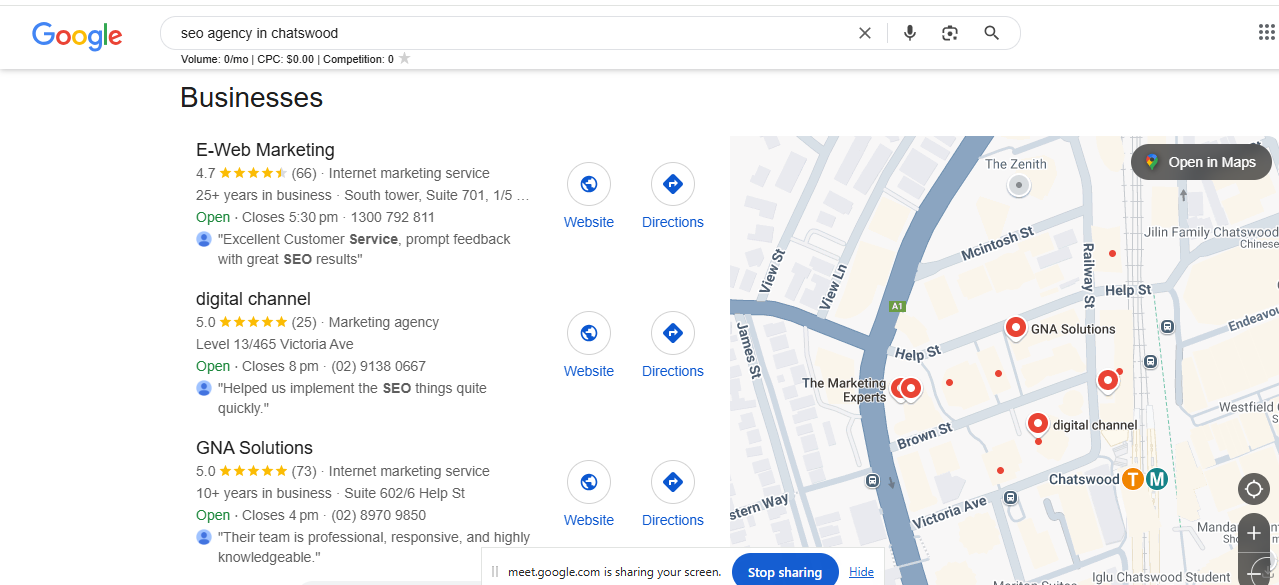
- Local SEO targets specific geographic locations like “dentist in Chatswood” or “dentist near me”. Google displays helpful websites in the local map section (top of page one) or the organic search listing (beneath that).
Why is local SEO important?
Google tells us that 88% of locals visit a store within seven days of searching for a related product or service on their phone. Local searchers know what they want and typically don’t click beyond Google’s first page to find an offering.
This is why big businesses pay so much to get onto page one – but no need for that!
Local SEO for small businesses is effective AND far cheaper than paid advertising strategies that attract a fee for every click.
When done right, SEO gets you noticed online (✔️) while saving money (✔️✔️).

How does local SEO work?
1. Appeal to the robots and algorithms that determine ranking position:
Take specific actions that show your website is helpful, user-friendly and servicing the targeted location. This motivates computational mechanisms to list your website on the first page of search engines for relevant local queries.
Google ranks businesses based on different technical and content elements.
Key local SEO ranking factors include:
- NAP citations
- Location data
- Google My Business profile listing
- Online reviews
- Social media shares
- Keywords in page title, headings, content and meta information
- Link signals
- Engagement signals (click-through rate, dwell time etc.)
2. Connect to humans who see your website listed in search results:
You’re no longer buried on page 100 of Google, hurrah! It’s time to share useful content and reviews to convince people to visit your website and trust your offering.
We’re about to show you HOW to do local SEO for beginners.

Australian local SEO checklist
STEP 1: Google Business Profile (set up and update)
Why bother?
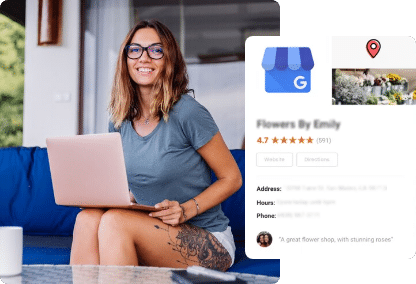
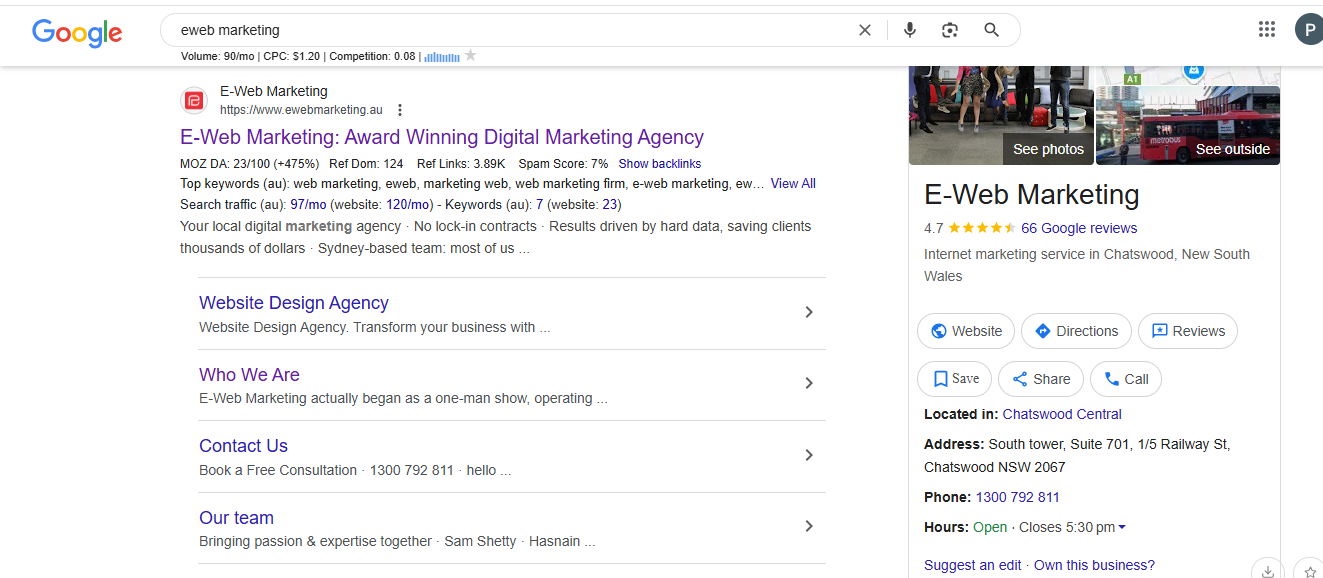
Your Google Business Profile helps determine whether or not Google lists your website in the map section at the top of page one – prime real estate for attracting website visits!
Local SEO ranking factors for Google Maps:
- How relevant is your website to the query?
- Are you close to the specified location?
- How popular is your business?
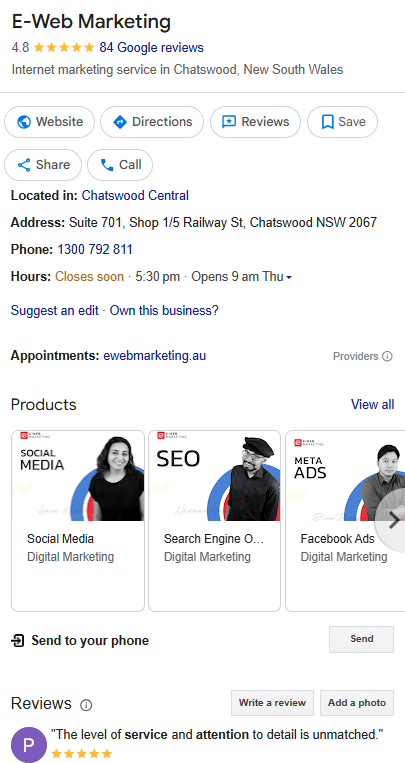
Set up your Google Business Profile
Starting a Google Business Profile is free.
Update it with accurate information: contact details, services, hours, business name and testimonials. Include high-quality images of your workplace and team.
Verify your profile
Follow Google’s steps to claim and verify your Google Business Profile. You’ll receive a phone call or postcard in the mail with a unique code for verification. Make sure your business name, address, phone number, operating hours and website URL are correct.
Write a business description
Briefly describe your key offerings and unique selling points. Talk about why you’re trustworthy (e.g. important credentials) and highlight the main qualities that set your business apart from the competition.
Incorporate location-specific keywords like “artisanal sourdough in Brisbane” or “custom wedding cakes in Southeast Queensland” to show where you operate and what you offer.
If there’s room to spare, you could even mention the motivation behind your business (e.g. “making housing more affordable in a tight market”).
Note: there’s a 750-character limit. Consider putting your draft into the free version of Grammarly if you need help removing unnecessary words.
Add and update photos
Photos make your business more relatable to customers. Upload quality images of your storefront, interior, team and products. Update them!
Google reveals that businesses with photos on their profile attract 42% more direction requests and 35% more clicks to their website.
What are you waiting for? Get snapping away and don’t forget to smile!

STEP 2: Choose specific categories for Google My Business
Choosing specific categories helps Google connect you to the right audience. If you’re stuck for ideas, here’s a complete list of Google business categories in 2025.
Psst … there are over 4000 categories to choose from!
Time to spy on your competitors to get inspired by their selection of categories (follow the steps listed in this resource)!
Remember, no local SEO checklist is complete without proper category selection.
Set your primary category
Add secondary categories
Use additional categories to cover other services you offer, but don’t overdo it. A florist, for example, could add “Wedding Florist” or “Flower Delivery Service” as secondary categories.
Update categories when relevant
Regularly check and adjust your categories to align with any new services or changes in your business focus. Keep your profile relevant and visible!
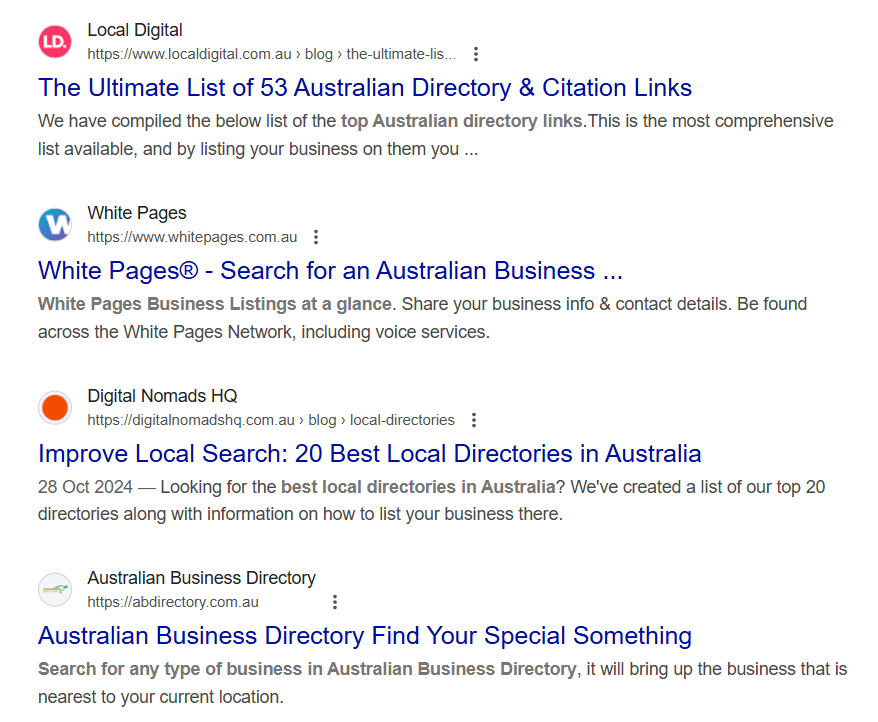
STEP 3: Make yourself visible on more platforms
Please don’t add your data to Google My Business and call it a day.
Increase your visibility by adding your business to other online directories, too.
Remember:
Many of these directories offer free basic listings, which is all you need. There’s nothing to lose, so create as many local citations that make sense for your industry.
What are local citations?
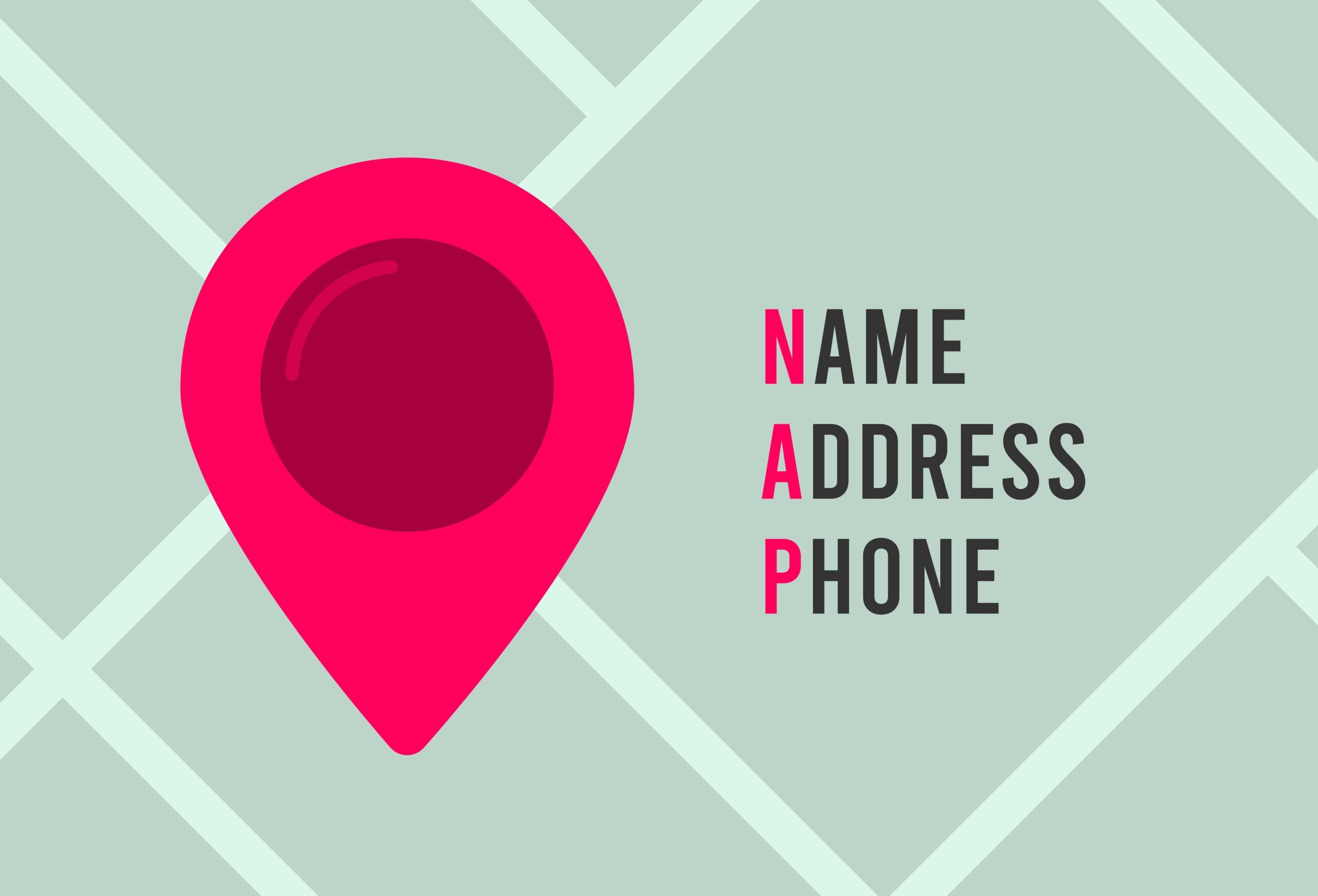
Online references to your NAP data (business Name, Address, Phone number) on websites, apps, local business directories and social media.
The more quality citations you can get, the better – as long as they’re accurate and consistent across all platforms.
Let this Australian local SEO checklist motivate you to join at least one GENERAL business directory that consumers visit to find products and services from all industries.
Examples of general business directories:
| Directory | Purpose | Key Features |
| Yellow Pages | General Business | Well-known platform with broad reach |
| TrueLocal | Local Business | Focus on customer reviews and location |
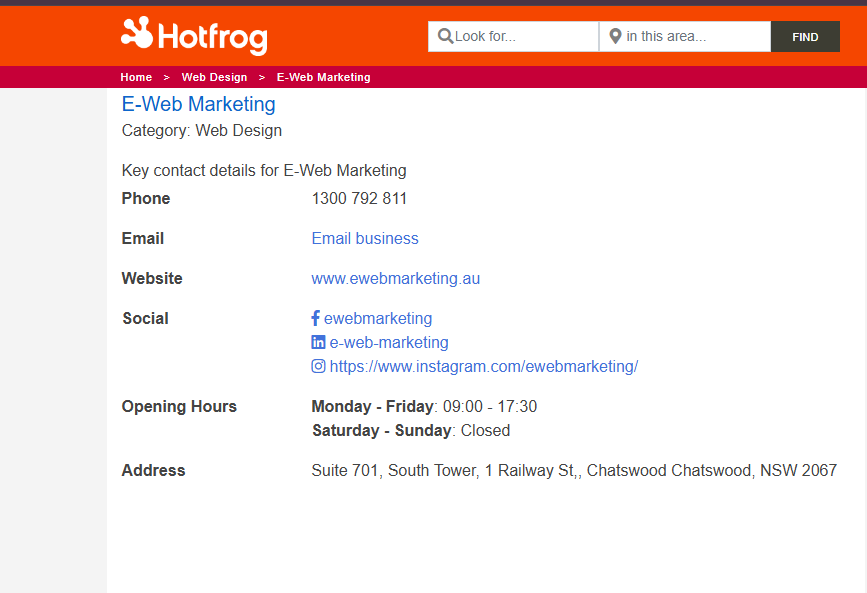
| Hotfrog | General Business | Free basic listings available |
| Yelp Australia | General Business | One of the largest Australian directories |
| AussieWeb | General Business | Free basic listings available |
Join an industry-specific directory too:
This gives you targeted exposure to customers already interested in your offering category. For example, healthcare providers should focus on platforms like HealthEngine, while lawyers might find value in Australianlawyersdirectory.
SavvySME is a common platform for small and medium businesses.
Like your Google My Business profile, all directories should include:
- Accurate name, address, phone details (NAP data)
- High-quality images
- Clear description of your brand offering
STEP 4: Accurate NAP data for local citations on every platform
❗ 68% of consumers ditch an online business with false listings ❗
If you pay attention to only one tip from this local SEO checklist, let it be this.
Your business information MUST be accurate and uniform across platforms like your website, Google Business Profile, social media and all online directories. Search engines use Name, Address and Phone number (NAP) data to verify and rank your business. As such, any errors could send your website to the neglected pages of Google.
Inaccurate or inconsistent listings = invisibility cloak for your website.
But even if you gain a prominent ranking with errors, people will lose trust in your brand.
Most consumers stop using local businesses with false information in their online directories, according to a Brightlocal study.
This was bad news for nearly HALF of the 73,000 companies with incorrect listings when another overseas study put them under the microscope.
But good news for you, if you follow this Australian local SEO checklist!
Your NAP details should include:
- Business name exactly as it’s registered
- Full street address, including unit or suite numbers
- Phone number with the correct area code
- ABN (Australian Business Number) for added credibility with both search engines and customers
Common NAP issues
- Variations in your business name or address like “Smith’s Cafe” vs. “Smith Cafe” or “Street” vs. “St.”
- Multiple phone numbers without a clear primary contact
- Outdated details from a move or relocation
- Regional differences in formatting like “NSW” vs. “New South Wales”
Tools to simplify NAP management
| Tool Name | What It Does | Why Use It |
| Moz Local | Tracks citations | Finds and flags errors |
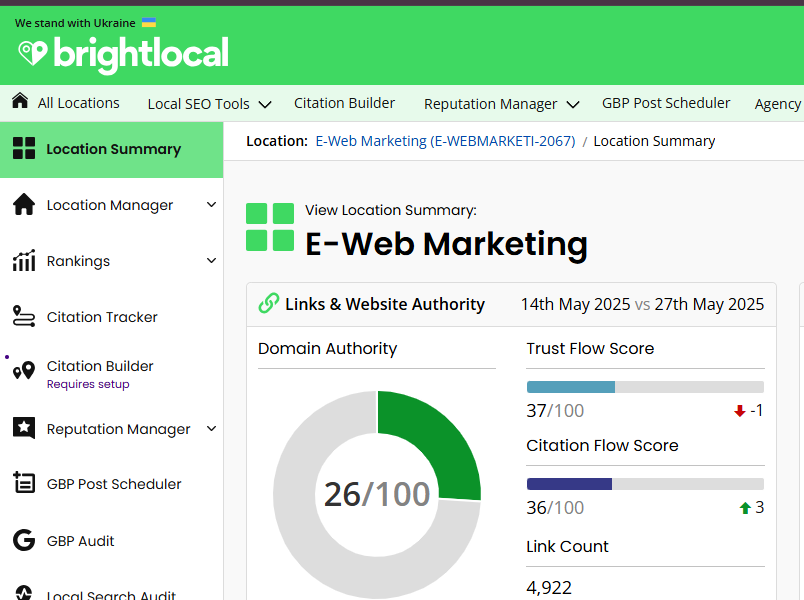
| BrightLocal | Audits NAP information | Scans multiple directories |
| SEMrush | Manages local listings | Provides real-time updates |
Tips for managing NAP data
Create a single master document with your official NAP details, to avoid errors. Use this as your reference to update listings consistently. Regularly check and update your information across:
- Google Business Profile
- Your website (including the footer and contact pages)
- Australian business directories
- Social media accounts
- Industry-specific directories
Always update your Google Business Profile and website first when making changes.
You can even use tools like Moz Local or BrightLocal to monitor your citations, fix any inconsistencies and automate updates.
Finally, don’t forget to complete verification processes, such as phone or mail confirmations, to ensure your listings are credible.
Now you can move on to refining your website for even better Australian local SEO results.
STEP 5: Optimise your website for local keywords
Keyword optimisation is one of the best ways to show search engines that your website is relevant to the query and deserves visibility.
Finding the perfect keywords
Look for popular keywords or phrases related to your offering (e.g. dental clinic) that ALSO include the location you’re targeting (e.g. Parramatta).
Free tools like Google Keyword Planner can help you find phrases like “dental clinic Parramatta”, which is more specific than “dental clinic”. Note: you must set up a Google Ads account to access Keyword Planner, but this costs nothing if you’re not making ads.
Another option is to install a browser extension like Keywords Everywhere, which costs around $10 for 100,000 keyword searches. When the extension is activated, it shows how many people search for a particular phrase each month.

Adding keywords to your website
Now it’s time to incorporate the keywords into your website content, titles, URL and meta preview information – but only when it makes sense to do so, and never in a spammy way!
A quick example:
| Website Element | Example | Why It Matters |
| Page Title | “Plumbing Services in Brisbane CBD” | Major ranking factor |
| Meta Description | “Emergency Plumbers serving Brisbane” | Boosts click-through rates |
| H1 Heading | “Plumbing Solutions for Gold Coast” | Highlights local relevance |
| Content | Natural mentions of location terms | Improves search visibility |
Create Location Pages
Does your business serve multiple areas? Consider adding dedicated pages for each location to attract local traffic. Strategically incorporate relevant keywords into the content without going overboard!
Location pages should include:
- Unique descriptions of the services offered in that area
- Testimonials and case studies from local customers
- Area-specific pricing or service details
- Embedded maps showing your coverage
- Mentions of nearby landmarks or community references
The key is to avoid duplicating content – make each page unique and relevant to its specific audience.
Display Contact information in the location pages and other content:
Make your NAP (Name, Address, Phone Number) details easy to find on your website.
Place them in:
- The footer (visible across all pages)
- A dedicated contact page
- Location-specific service pages
Here are some extra tips to build trust with your audience:
- Include your Australian Business Number (ABN)
- List operating hours for each location
- Provide emergency contact details, if applicable
- Embed Google Maps for each location to improve usability and search rankings
After optimising your website for targeted locations, you’ll be ready to dive into more advanced strategies like schema markup and creating locally-focused content.
STEP 6: Add Schema markup (structured data)
Why bother?
Adding schema markup code to your website helps search engines better understand your business. You show the technical algorithms how to interpret and display your business data when people search for relevant terms. This strategy creates rich snippets with eye-catching information (like star ratings), so you’re more likely to attract clicks in search engines.
Key Schema types for Australian local SEO
| Schema Type | Purpose and Key Information |
| LocalBusiness | Includes ABN, trading hours, and service areas |
| Organisation | Covers business name, logo, and contact information |
| Review | Displays customer feedback, ratings, and reviews |
| Place | Provides physical address and service radius details |
How to Implement Schema Markup
When adding schema markup, focus on these critical details:
- Include your ABN in the Organisation schema.
- Use a 24-hour format for trading hours.
- Add service area details for each location if you have multiple branches.
- Regularly update your schema markup whenever business information changes.
Google suggests using JSON-LD to implement schema markup. For detailed instructions, refer to Google’s structured data documentation.
Validation and maintenance tips
To ensure your schema is working correctly, use tools like:
- Google’s Rich Results Test
- Schema Markup Validator
- Google Search Console
For businesses with multiple locations, create separate schema entries for each branch while maintaining a parent schema for the overall business.
Special considerations for Australian businesses
- Keep your ABN details accurate.
- Clearly define trading hours for each location.
- Specify service areas for better clarity.
- Update schema promptly if business information changes.
STEP 7: Write about local events to engage your audience
We discussed the importance of location pages for your products or services.
But this is different.
Now you’ll write about broader topics relevant to your business values and community – like local events, news, politics, market updates or other interesting tidbits of information.
Examples:
- A Brisbane cafe might publish a blog post about the “Brisbane Coffee Festival 2025” with detailed local insights that people in your area appreciate.
- An eco-friendly hair salon could write about environmental politics, or create a social media post about ecological problems in that community.
Share your community contributions:
Demonstrate your community participation to build trust with your audience, which ultimately supports your local SEO performance. Authentic engagement is key here – focus on meaningful interactions.
How to highlight community engagement:
- Share stories about your team’s participation in local events.
- Showcase partnerships with nearby businesses or customer success stories.
- Post about your involvement in neighbourhood projects or charities.
Tips for creating local content:
- Include location-specific keywords and high-quality visuals.
- Tag local organisations and keep your content current.
- Add event details and relevant keywords to attract local searches.
Find tips for publishing engaging content in our article “how to improve website conversion rates”.

STEP 8. Build quality backlinks
Can you get other websites to link back to your website?
Backlinks are a powerful way to boost your search engine authority and strengthen your local SEO. Connecting your business to reliable Australian websites shows search engines your brand is credible and relevant in the local market.
Target local authority sites
Focus on earning backlinks from well-regarded Australian websites, especially those with domains like .com.au or .edu.au. These could include chambers of commerce, industry groups, universities and regional news platforms.
Publish content that others WANT to share
Create well-researched, engaging content that naturally attracts backlinks. Think about producing local industry studies, regional guides, or expert interviews – anything that provides real value to your targeted audience.
Build real relationships within your local business network
- Join community events and sponsorships
- Write guest posts for Australian industry blogs
- Look out for unlinked mentions of your brand and requesting links
Measure your backlink success
Use SEO tools to monitor your backlink performance. Keep an eye on metrics like:
- The domain authority of the sites linking to you
- Whether the backlinks are from Australian sources
- How relevant the links are to your industry
Quality matters more than quantity. A single link from a respected Australian business group can outweigh dozens of low-quality links. Avoid links from unrelated or spammy sources – they can hurt more than help.

STEP 9: Handle Customer Reviews
88% of consumers trust online reviews as much as recommendations from people in their lives.
Technical search algorithms pay attention to detailed online reviews, an important local SEO ranking factor. Positive reviews also help to convince consumers that your offering is trustworthy.
Collect Reviews
Focus on building your review presence, especially on Google Reviews, as they directly affect your local search visibility. Make it easy for customers to leave reviews by sharing direct links through emails, QR codes or in-store prompts. Encourage your staff to ask satisfied customers for feedback, ensuring a consistent flow of reviews across various platforms.
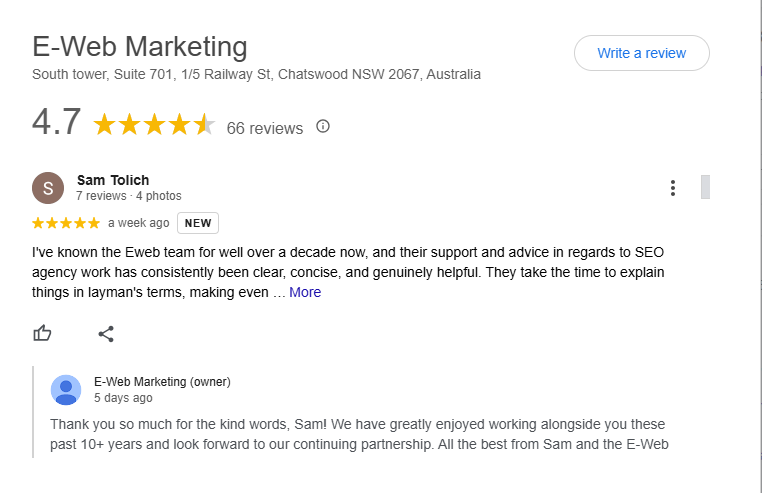
Manage Feedback
Responding to reviews is just as important as collecting them. Thank customers for positive feedback, address neutral reviews with constructive responses, and handle negative reviews professionally. Apologise when necessary and aim to resolve issues offline.
Pay attention to recurring themes in customer feedback. These insights can help you improve your services, which enhances your local SEO.
STEP 10: Improve your mobile design
As previously mentioned, most local searches on a smartphone lead to related business visits within a week.
If your website is hard for people to navigate on their mobile devices, they will close the window immediately and never return.
Mobile optimisation is a critical step for any Australian local SEO checklist!
Google prioritises mobile-friendly websites, especially for local searches.
| Mobile design element | How it helps local SEO |
| Responsive Layout | Google favours mobile-friendly sites in local search results, boosting visibility. |
| Fast Loading Speed | Pages loading in under 3 seconds reduce bounce rates and improve rankings. |
| Clear Navigation | Makes it easier for users to find contact info or directions. |
| Optimised Images | Enhances page speed and overall user experience. |
Best Practices for Mobile Design
Google’s Mobile-Friendly Test is a handy tool to find and fix common mobile issues.
Keep an eye out for problems like:
- Text that’s too small to read
- Buttons or links placed too close together
- Missing or hard-to-find contact details
- Slow-loading images or videos
Fixing these issues gives mobile visitors a smoother experience.
Stay on top of this
Mobile optimisation isn’t a one-and-done task. Regularly test your site with tools like Google’s Mobile-Friendly Test to catch and resolve usability issues. Make sure your site loads quickly with functioning click-to-call buttons and integrated maps.
Once mobile-friendly, strengthen your site’s technical foundation to support your ranking power.

STEP 11. Perform a technical SEO audit to fix navigation issues
Regular technical SEO audits help identify and fix issues that could hurt your rankings or frustrate visitors. Technical improvements make your website more attractive to search algorithms and local consumers.
Test Site Speed
| Speed Factor | Impact on Local SEO | Recommended Solution |
| Server Response Time | Influences rankings and user engagement | Aim for under 3 seconds; use reliable hosting in Australia |
| Image Optimization | Affects overall site performance | Compress images and enable lazy loading |
| Cache Settings | Enhances repeat visitor experience | Set up browser and server-side caching |
Tools like Google PageSpeed Insights help to evaluate your site’s performance. Pay attention to how quickly your content becomes visible to users, as this can make or break their experience.
Repair Broken Links
Broken links can damage your reputation with both users and search engines. Regularly find and fix these links to keep your site structure strong.
Key areas to review:
- Internal navigation and menu links
- Cross-links between pages
- Links to local partners or resources
Use tools like Ahrefs or Semrush to find broken links. Once identified:
- Update outdated URLs
- Remove links that no longer serve a purpose
- Implement 301 redirects to retain link authority
Conduct these audits every three months to keep your site running smoothly and stay visible in a competitive market.

STEP 12. Monitor SEO performance
Tracking the proper metrics lets you pinpoint what’s working and what needs tweaking to better connect with your local audience.
Useful analytics tools
Leverage tools like Google Analytics and Search Console to focus on location-specific performance metrics. Here’s what to keep an eye on:
| Metric | What to Track | Why It Matters |
| Search Visibility | Impressions and clicks for Australian location terms | Highlights your presence in local search results |
| Click-through Rate | Performance of location-specific listings | Shows how effective your listings are |
| Average Position | Rankings for local keywords | Reflects your competitiveness in the market |
Set up tracking for
- Traffic from specific regions in Australia
- Local customer interactions, like calls, directions or form submissions
- Performance of your location-specific pages
- Google Business Profile activities
Focus on key metrics
Here are the main indicators to monitor:
-
- Rankings for location terms: Keep tabs on how you rank for city-specific searches like “electrician Perth” or “café Melbourne CBD”. Also, check your visibility in specific suburbs.
-
- Local conversions. Track actions that matter, such as:
- Phone calls from Australian customers
- Direction requests via Google Business Profile
- Form submissions from local visitors
- Appointment bookings by region
- Local conversions. Track actions that matter, such as:
-
- Technical performance. Ensure your site is technically sound by monitoring:
- How site speed affects local rankings
- Mobile usability
- Loading times for location pages
Review this data monthly to identify trends and fine-tune your strategies. Comparing results across different Australian regions can uncover areas for growth. Focus on metrics that directly connect to business outcomes, not just general stats.
🔻 🔻 🔻 🔻 🔻 🔻 🔻 🔻 🔻 🔻 🔻 🔻 🔻 🔻 🔻 🔻 🔻 🔻 🔻 🔻 🔻 🔻
Access Our Free Interactive Local SEO Checklist
We’ve developed a comprehensive interactive Local SEO checklist template — designed to help you track tasks, prioritise actions, and maintain consistency across your local search strategy.
🔺 🔺 🔺 🔺 🔺 🔺 🔺 🔺 🔺 🔺 🔺 🔺 🔺 🔺 🔺 🔺 🔺 🔺 🔺 🔺 🔺 🔺Our local SEO agency can help you attract even more traffic and sales
Do you lack the time or energy to follow the steps in our local SEO checklist?
We’re happy to handle it all for you!
E-Web Marketing is a local SEO Agency in Sydney that uses cost-effective strategies to get companies of all sizes noticed online. We’re exceptionally skilled at helping small and medium businesses to connect with their target audience while saving money.
We’ve spent the last three decades growing site traffic, brand awareness and online conversions for 3000 local, national and global businesses.
Call 1300 792 811 or fill out this form to find out how we can take this burden off your shoulders.
- Technical performance. Ensure your site is technically sound by monitoring: